Clear vision tells you how well you see today. It does not tell you whether diabetes has started to affect the small blood vessels at the back of your eyes.
It is easy to put off an eye exam when your glasses still work and nothing feels wrong. With diabetes, that is precisely the reason to keep the appointment. Early diabetic retinopathy can develop without noticeable symptoms. [1, 2]
The retina is the light-sensitive tissue at the back of the eye. Diabetes can damage its tiny blood vessels, causing them to leak or bleed. If fluid affects the central part of the retina, called the macula, reading and other detailed vision can become harder. [1, 2]
An exam is a chance to find those changes before you notice them. It is not a guarantee that problems will never develop, but it gives you and your healthcare team a better chance to act early.
A glasses prescription measures the correction needed to see clearly. A diabetic eye exam also looks for disease. Seeing the smallest letters on a chart does not rule out retinal changes.
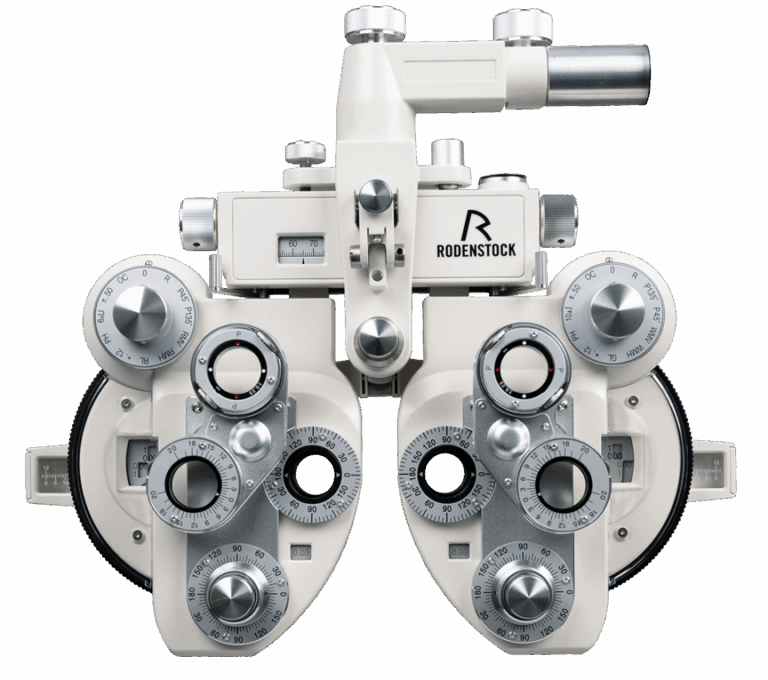
A comprehensive dilated eye exam lets your eye care professional examine the retina. Retinal photographs can help document findings, and an OCT scan may be recommended to look at the retinal layers and assess swelling. These tests answer different questions; imaging does not mean every patient needs the same set of tests. [1, 2]
At our Oakville clinic, retinal photography and OCT imaging are available. We explain what the findings mean and what needs monitoring. If specialist assessment or treatment is needed, that becomes part of the care plan. [4]
The right interval depends on your type of diabetes, how long you have had it, and what the examination shows. If you have recently been diagnosed with type 2 diabetes, arrange an eye assessment rather than waiting for symptoms. Diabetes Canada recommends screening at diagnosis. [1]
After that, follow the interval your eye care professional recommends. Some people with type 2 diabetes and no or minimal retinopathy may be assessed every one to two years; people with retinal changes may need closer monitoring. Type 1 diabetes has its own screening schedule. There is no single timetable that fits every patient. [1]
If you do not remember when your last diabetic eye exam was, call and ask. That is a more useful starting point than deciding your eyes must be fine because you can still read.
Eye exams and diabetes management work together. Keeping blood sugar, blood pressure and cholesterol within the targets agreed with your healthcare team helps lower the risk of diabetic eye problems. Regular eye care remains important even when those numbers are well controlled. [1, 2]
Bring your medication list and let us know about changes in your diabetes care or vision. Ask when your next eye examination should be and make sure you understand the reason for that interval.
A sudden loss of vision, a new shower of floaters or a shadow across your vision needs urgent assessment. Do not assume it is simply your blood sugar or a change in your glasses. Seek urgent eye care immediately; if the clinic is closed or you cannot reach an eye care professional promptly, go to an emergency department. [2, 3]
Dr. J.C. Mungar Optometry is at 135 Lakeshore Road West, Oakville, ON L6K 1E5. Call (905) 842-3411 and mention that you have diabetes when booking. Reception can confirm the appointment details and any applicable OHIP coverage before your visit. [5]
Clear vision is good news. Keeping an eye on what you cannot yet see is how we help protect it.
Retinal photography and OCT imaging are available. Mention that you have diabetes when you book. No referral needed.
